Want More Money in Your Social Security Check? Here’s How Some Medicare Plans Help You Keep It.
 Posted in Uncategorized last updated on August 5, 2026
For many seniors living on a fixed income, keeping up with rising monthly expenses is a constant balancing act. Every dollar counts, and mandatory deductions can feel like a heavy burden. If you are enrolled in Medicare, one of the most significant deductions is your standard Medicare Part B premium: which is $202.90 per month in 2026 for most beneficiaries.
For the majority of retirees, this amount is automatically deducted before their monthly Social Security benefit ever hits their bank account. However, certain Medicare Advantage plans offer a helpful feature known as the "Part B giveback" (sometimes called a premium reduction or buy-down) that can reduce what is taken out, leaving more money in your pocket each month.
At DFW Health Coverage, we guide clients through their options so they can find affordable, comprehensive coverage tailored to their budget. Here is a clear breakdown of how the Part B giveback works, what you can realistically expect, and how to determine if it makes sense for your situation.
What Is the Medicare Part B Giveback?
The Part B giveback is a benefit offered by select Medicare Advantage plans that reduces part: or in rare cases, all: of your monthly Medicare Part B premium obligation.
Crucially, the plan does not send you a separate monthly check or cash reward. Instead, the reduction is coordinated directly behind the scenes through Medicare and the agency responsible for withholding your premium (such as the Social Security Administration).
When the giveback is applied, the result is simple: less money is withheld from your monthly Social Security payment, resulting in a higher net deposit in your bank account.
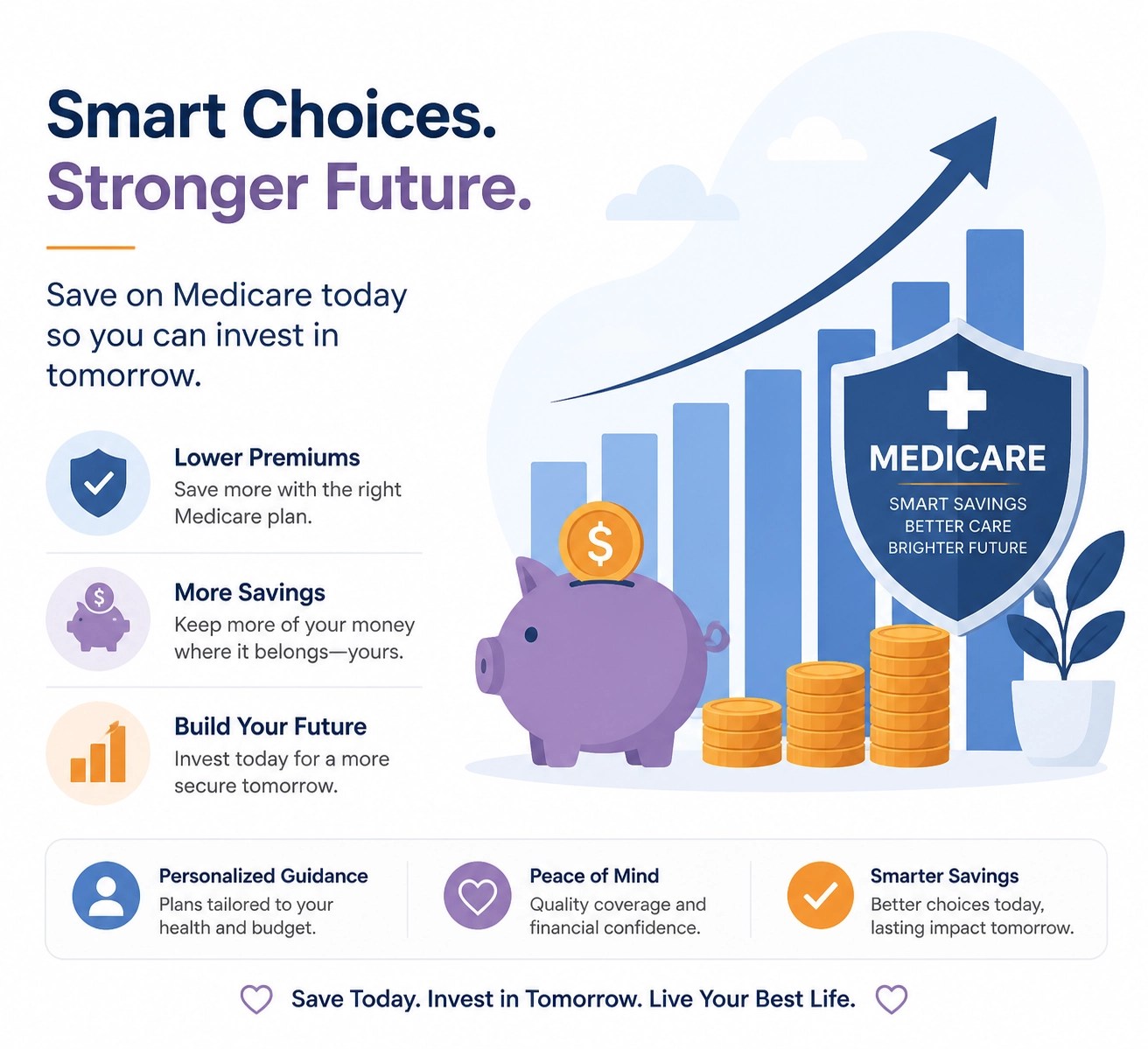
How the Part B Giveback Impacts Your Social Security Check
To understand how the savings add up, look at how even a modest monthly reduction impacts your annual budget. For 2026, with the standard Part B premium set at $202.90, a plan offering a giveback directly lowers that monthly deduction.
| Monthly Giveback Amount | New Monthly Part B Deduction | Annual Savings Kept in Your Pocket |
|---|---|---|
| $25.00 | $177.90 | $300.00 |
| $50.00 | $152.90 | $600.00 |
| $75.00 | $127.90 | $900.00 |
| $100.00 | $102.90 | $1,200.00 |
As shown above, a $50 monthly giveback means $50 less taken out of every Social Security check, adding up to $600 in annual savings that you keep rather than paying toward Part B.
How the Premium Reduction Flows
Wondering how the administrative process actually works? Here is the step-by-step path of how a premium reduction flows from your plan to your bank account:
- The Plan Credits It: Your chosen Medicare Advantage plan applies its approved Part B reduction amount to your account.
- Medicare Coordinates: Medicare communicates the adjustment to the Social Security Administration (or Railroad Retirement Board).
- Withholding Drops: The Social Security Administration reduces the amount withheld from your monthly benefit.
- You See a Bigger Deposit: Your net Social Security direct deposit increases by the exact amount of the reduction.
Important Caveats: What You Should Know
While the Part B giveback offers valuable relief, it is important to keep a few practical realities in mind:
- Processing Time: The reduction rarely appears on day one. Because coordination between private insurance plans, CMS, and the Social Security Administration takes time, it can take a few months for the change to show up. Any missed months are typically applied retroactively.
- Continued Enrollment Required: You must remain enrolled in Medicare Part B and continue paying your base obligations. The giveback does not eliminate your requirement to hold both Part A and Part B.
- Exceptions (IRMAA and Penalties): The giveback generally does not erase income-related monthly adjustment amounts (IRMAA), Part B late-enrollment penalties, or separate prescription drug plan premiums.
- Care Costs Still Apply: A premium reduction does not mean healthcare is free. You are still subject to the plan's copays, deductibles, and network rules when you receive medical care.
A Side-by-Side Comparison: Why the Biggest Giveback Isn’t Always Best
It is easy to assume that the plan offering the highest giveback is automatically the best choice. However, insurance is a complete package. A larger premium reduction can sometimes be offset by higher copays or restricted doctor networks.
Consider this hypothetical comparison of two Medicare Advantage plans available in the same area:
| Plan Feature | Plan A | Plan B |
|---|---|---|
| Monthly Part B Reduction | $100.00 | $25.00 |
| Annual Savings | $1,200.00 | $300.00 |
| Specialist Copay | $55.00 | $30.00 |
| Inpatient Hospital Cost | $400 per day (5 days max) | $300 per day (5 days max) |
| Maximum Out-of-Pocket (MOOP) | $8,500 | $5,500 |
| Your Preferred Doctor/Hospital | Out-of-Network | In-Network |
| Prescription Drug Coverage | Limited formulary fit | Strong formulary fit |
While Plan A gives you an extra $900 in annual premium reduction, Plan B may save you thousands of dollars if it covers your specific doctors, avoids steep specialist copays, and protects you with a lower maximum out-of-pocket ceiling. This is why evaluating the entire plan design with an expert advisor is essential.
Find the Right Balance with DFW Health Coverage
Navigating Medicare options on a fixed income requires looking at the full picture: balancing monthly premium savings against your doctor networks, prescription needs, and overall medical security.
As an independent agency appointed with all major carriers, DFW Health Coverage makes it easy to compare rates and plans with no obligation to buy. Whether you are exploring senior health insurance options or looking for guidance during Medicare open enrollment, our team provides personal service and dedicated expertise.
Contact us today to review your options, explore available savings, and find the right coverage for your budget and healthcare needs.
Your Local Medicare Advisor

At DFW Health Coverage, we simplify the insurance process and guide clients toward the best coverage options for their situation and budget. Reach out today for straightforward, no-obligation guidance.